Published by Sue Johns-Chapman
Published Date 16.07.2026
Published by Sue Johns-Chapman
Published Date 16.07.2026 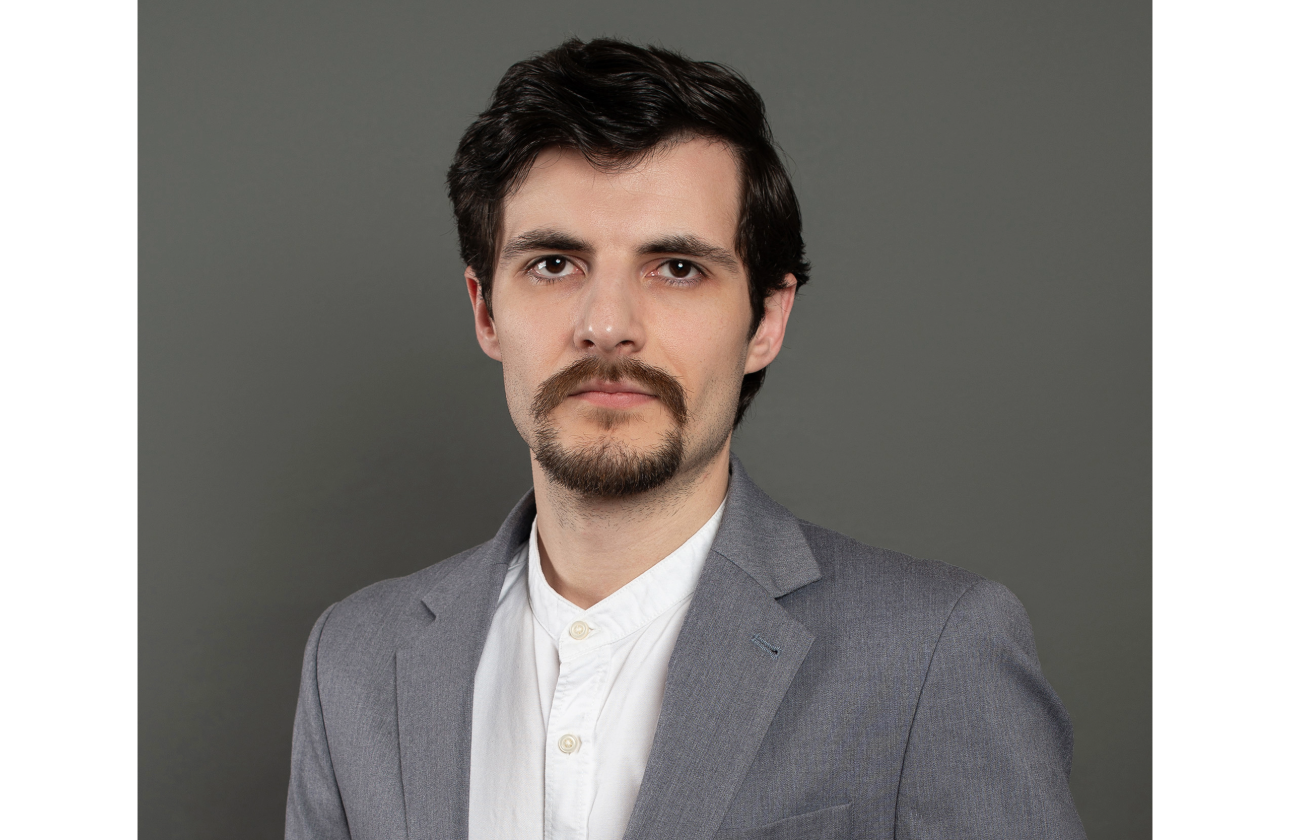
Author: Dmitry Nazarevich, CTO at Innowise
Most CTOs aren’t exactly short on ideas. The roadmap is full, the priorities are approved, and the business already expects results. And everyone agrees that AI pilots, cloud upgrades, and security improvements are needed. The real challenge starts when someone asks the obvious question: who is actually going to build all of it?
The hiring market isn’t making this any simpler. IDC predicts that by 2026, over 90% of organizations worldwide will face an IT skills crisis, with losses up to $5.5 trillion. ManpowerGroup’s 2026 Talent Shortage Survey says 72% of employers globally struggle to fill roles. In the UK, it’s 73%, and AI is now the hardest skill to hire.
That’s why more companies are rethinking how they find technical talent. Permanent hiring still matters for core product knowledge and long-term ownership. But when one missing skill starts holding back delivery, staff augmentation lets companies bring in specialists without making every gap a permanent job.
Where the talent gap slows delivery
The talent shortage rarely shows up as one neat little hiring problem. If only. More often, it appears as delayed releases and work that keeps landing on the same few overloaded people.
An AI pilot can look great in a workshop, then sit in proof-of-concept limbo because no one has time to fix the data pipeline or prepare the model for production. A cloud migration can move smoothly on paper, then pause while architecture and security reviews fight for space in someone’s calendar. Meanwhile, the security backlog keeps growing, and specialists are left juggling incident response and the growing pile of security reviews. And that’s how delivery starts to slip.
Cybersecurity provides one of the clearest signals of how stretched the talent market has become. ISC2’s 2024 Cybersecurity Workforce Study found a global gap of 4.8 million roles. The workforce grew by only 0.1% over the year, but the gap widened by 19%. AI faces similar pressure, especially in the UK. The Department for Science, Innovation and Technology’s 2025 AI Labour Market Survey found that 57% of businesses reported a technical AI skills gap, and 30% reported a non-technical gap.
You can probably see where this goes. AI, cloud, and cybersecurity work starts piling up around the same small group of specialists. When these people are stretched too thin, delivery slows.
Why hiring alone is not always enough
Permanent hiring works well when a company needs long-term ownership. But not every technical gap needs to become a long-term role.
A cloud architect may be needed most during migration. Once the new environment is stable, the workload often changes. An MLOps expert may be critical when an AI product moves into production, but after launch the focus shifts to monitoring and support. The same can happen in cybersecurity, where the urgent need may be a security review now and cloud access cleanup later.
Hiring full-time for this pattern can create a mismatch. A company may spend months looking for a permanent candidate while the project is already waiting for senior input. Or it may hire during the busiest phase, only to realize that the same capacity is no longer needed once the peak is over.
The hiring process also adds time. Interviews, approvals, offers, notice periods, and onboarding can easily stretch across weeks or months. Meanwhile, the project still needs technical decisions, security review, and implementation work.
None of this makes permanent hiring less important. But when delivery is already blocked, companies often need a way to bring in the right expertise before the permanent hire is ready to start.
Why companies use staff augmentation
When permanent hiring takes too long and full outsourcing gives away too much control, staff augmentation becomes the middle ground. Companies can add the missing expertise to the existing team and keep the project inside their own delivery setup.
The main business drivers are:
- Access to specialist skills. Companies can bring in cloud architects, MLOps engineers, DevSecOps specialists, or security experts for the exact stage where the internal team needs support.
- Lower long-term cost. Not every skill gap needs to become a permanent role. Staff augmentation helps cover temporary peaks, such as a migration, AI launch, security review, or compliance push.
- Flexible team size. Teams can add support when the workload is heavy and reduce it once the work moves into maintenance or handover.
- Faster delivery. Extra specialist capacity helps unblock decisions, reviews, implementation work, and technical checks that would otherwise wait for internal availability.
- Control over the work. Unlike full project outsourcing, staff augmentation keeps management inside the company. External specialists join the current delivery setup, while internal leaders keep ownership of priorities, architecture, and product context.
This is why the model fits AI, cloud, and cybersecurity work so well. These projects need outside technical depth, but they also depend on internal context. Staff augmentation gives companies both without turning every urgent gap into a permanent hire or moving the whole project to a vendor.
What has to be in place first
Staff augmentation works best when the company sets up its processes before the specialist arrives. Without this, outside help might speed up delivery in the short term but cause knowledge loss later.
Define the work clearly
Saying “We need AI support” is too vague. Instead, “We need help building data pipelines for an AI assistant and setting up model evaluation before production” gives partners and specialists a clear idea of what’s needed.
The same goes for cloud and security work. “Cloud help” could mean anything from architecture review to migration, automation, security, or cost control. A clear scope helps partners find the right specialist and sets the right expectations from the start.
Check for domain depth
General coding ability is not enough when a role requires cloud security, MLOps, DevSecOps, or AI governance. The screening process should reflect the actual stack, delivery environment, and level of responsibility.
This matters because a poor fit in these areas can affect architecture decisions, data access, compliance work, and production stability.
Keep ownership inside the company
Someone at the company needs to own priorities, make trade-offs, and connect the external specialist with the right team members. Staff augmentation should add expertise, not create confusion about who is responsible.
This is especially important when the work involves product direction, architecture, compliance, or business risk. External specialists can advise and execute, but internal leaders must still make the final decisions.
Make knowledge transfer part of delivery
A good specialist does more than just finish tasks. They leave behind context, documentation, handover notes, and technical decisions that the internal team can use later.
Knowledge transfer shouldn’t wait until the last week. It should happen through code reviews, architecture notes, shared docs, and regular handovers. This helps the internal team stay in control after the extra support is no longer needed.
Conclusion
The skills shortage in AI, cloud, and cybersecurity is not something companies can hire their way out of overnight. The demand shifts too much from one project phase to the next, and the people who can do the work are rarely sitting around waiting for the perfect vacancy to appear.
That is why staff augmentation is moving from a nice backup option to a way to keep technical work on track. Companies can bring in the specialist they need, plug them into the existing team, and avoid turning every urgent gap into a permanent role.
About Innowise
Innowise is a global full-cycle software development and IT consulting company headquartered in Warsaw, Poland. Founded in 2007, the multinational firm employs over 3,500 IT professionals and provides services ranging from custom application development and cloud architecture to QA testing and staff augmentation.
About the author
Dmitry Nazarevich is Chief Technology Officer at Innowise, where he brings over 10 years of experience in full-stack development and software architecture. He holds an engineering degree and a Master’s degree in Technology, and combines deep technical expertise with a practical, business-first approach to solving production engineering challenges.
Innowise are shortlisted at the UK Business Tech Awards